

Russia indicated it hoped to keep Ukraine’s city of Sevastopol as the main base for its Black Sea Fleet after the expiry of its lease with Ukraine in 2017, although it is building a new base, according to Reuters. http://www.reuters.com/
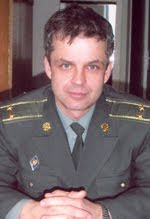
"We are not setting such a target -- to depart from Sevastopol -- for ourselves," General Nikolai Makarov, head of Russia`s general staff, said of the port that has been home to the Russian fleet for 225 years. Soviet leader Nikita Khrushchev transferred the peninsula of Crimea, in which the port lies, from Russia to the then  Soviet republic of Ukraine in 1954, which meant the base became Ukrainian property when the Soviet Union collapsed in 1991. Ukraine, which wants closer ties with the West and NATO membership, has said it will not extend Russia`s 20-year lease when it expires in 2017. Ukrainian President Viktor Yushchenko was upset that Russia used the fleet against Georgia during a brief war last August. "We have an agreement in force until 2017. Without a doubt, events can later develop in different directions," Makarov told reporters. Russian politicians and the military have repeatedly said Moscow would like to continue renting Sevastopol for its Black Sea fleet after the lease expires. Earlier on Tuesday the Kremlin announced it would finish building a new base for the fleet by 2016 in Novorossiisk, a statement widely understood to mean this would replace Sevastopol. But Makarov said it could be in addition to Sevastopol. President Dmitry Medvedev flew to Novorossiisk, now an important cargo port and giant oil export terminal but considered to occupy
  a much less favourable geographical position on the coast than Sevastopol. He also visited the fleet`s flagship, the Moskva missile cruiser, one of the best remaining ships of a once-formidable navy run down in the post-Soviet era. The fate of the Sevastopol base has strong political overtones, seen as it is by Russian nationalists as an eternal part of Russia. Russian-Ukrainian relations have been tense in recent years, with crises erupting over Russian gas deliveries to Ukraine. The new base will hold 80 warships and auxiliary vessels, including newly built ships, and will not disturb the work of the commercial port there, the Kremlin said in its statement. According to data published earlier by Russia`s military, the Black Sea fleet now includes about 50 ships and smaller vessels. It also has up to 80 planes and helicopters and some 13,000 servicemen. REUTERS
 Soviet republic of Ukraine in 1954, which meant the base became Ukrainian property when the Soviet Union collapsed in 1991. Ukraine, which wants closer ties with the West and NATO membership, has said it will not extend Russia`s 20-year lease when it expires in 2017. Ukrainian President Viktor Yushchenko was upset that Russia used the fleet against Georgia during a brief war last August. "We have an agreement in force until 2017. Without a doubt, events can later develop in different directions," Makarov told reporters. Russian politicians and the military have repeatedly said Moscow would like to continue renting Sevastopol for its Black Sea fleet after the lease expires. Earlier on Tuesday the Kremlin announced it would finish building a new base for the fleet by 2016 in Novorossiisk, a statement widely understood to mean this would replace Sevastopol. But Makarov said it could be in addition to Sevastopol. President Dmitry Medvedev flew to Novorossiisk, now an important cargo port and giant oil export terminal but considered to occupy
  a much less favourable geographical position on the coast than Sevastopol. He also visited the fleet`s flagship, the Moskva missile cruiser, one of the best remaining ships of a once-formidable navy run down in the post-Soviet era. The fate of the Sevastopol base has strong political overtones, seen as it is by Russian nationalists as an eternal part of Russia. Russian-Ukrainian relations have been tense in recent years, with crises erupting over Russian gas deliveries to Ukraine. The new base will hold 80 warships and auxiliary vessels, including newly built ships, and will not disturb the work of the commercial port there, the Kremlin said in its statement. According to data published earlier by Russia`s military, the Black Sea fleet now includes about 50 ships and smaller vessels. It also has up to 80 planes and helicopters and some 13,000 servicemen. REUTERS


